
“Because trust isn’t told, it’s verified.”
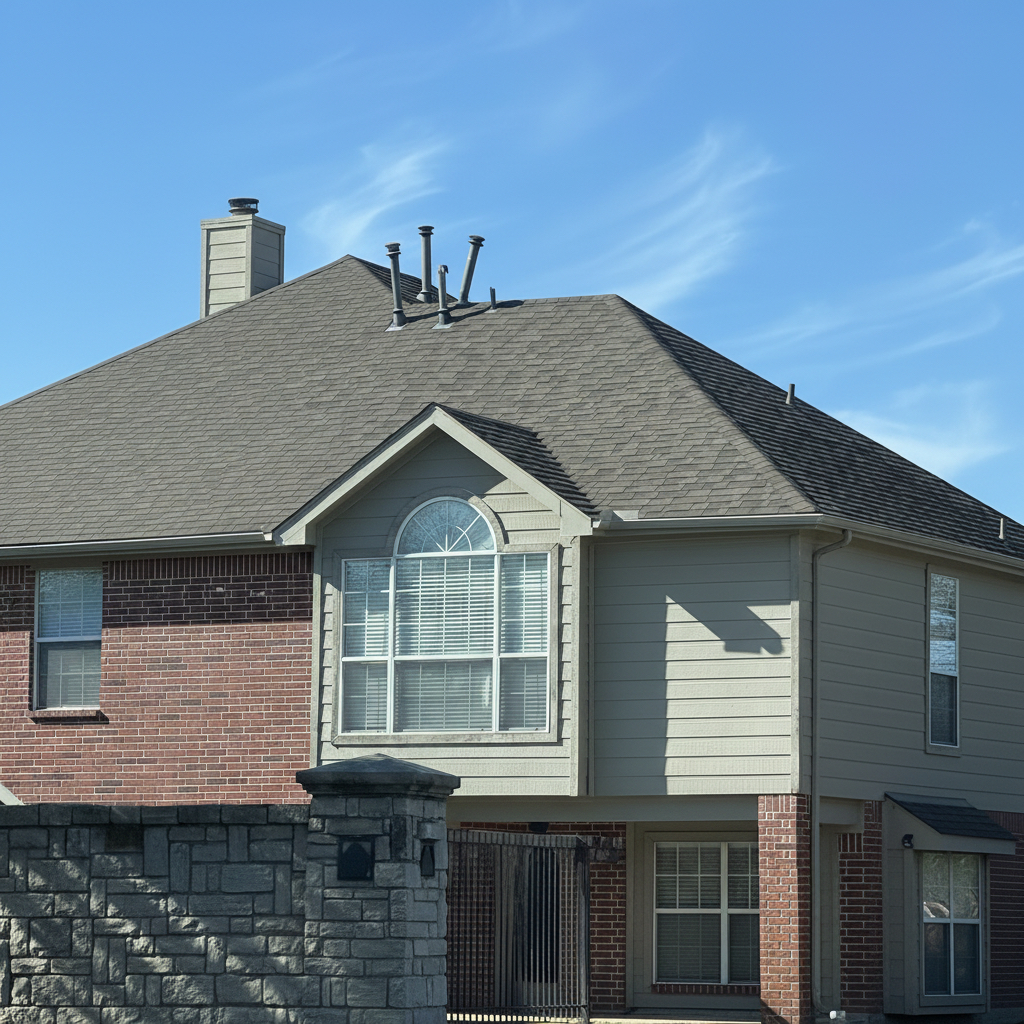
When you look at your roof, you probably notice shingles, gutters, and maybe a chimney—but you may not pay much attention to the metal pipes sticking up near the ridge. Those are B-vent gas exhaust pipes, and they play a major role in keeping your home safe.
If you’ve ever seen one leaning, tilted, or angled, it’s more than just a cosmetic issue. A B-vent that’s not straight can signal deeper problems that can impact comfort, efficiency, and safety inside the home.
What Is a B-Vent, and Why Do You Need It?
A B-vent (also called “Type-B vent”) is a double-wall, metal flue pipe designed to safely exhaust combustion gases from gas appliances such as:
- Gas furnaces (i.e. your A/C heater unit)
- Gas water heaters
- Gas fireplaces
Every time these appliances run, they produce carbon monoxide (CO) and other combustion byproducts. A properly installed B-vent system:
- Carries toxic gases safely out of the home
- Provides the correct draft so the furnace operates efficiently
- Maintains safe clearances from attic wood framing
- Protects the home from heat transfer and potential fire risk
In short, a B-vent is a safety system, not just a pipe sticking out of the roof!
Why a Tilted B-Vent Is a Problem
A B-vent must remain plumb (perfectly vertical) to draft properly. When the vent tilts, several things can happen:
1. Poor Drafting
Tilt reduces the natural upward pull needed to exhaust gas fumes.
This can lead to:
- Carbon monoxide spilling back toward the appliance
- Flame roll-out or instability
- Shorter appliance lifespan
2. Water Leaks and Toxic Fume Issues
A leaning vent often means:
- The flashing boot may have shifted
- The storm collar broke seal
- The vent pipe moved due to wind
- The vent pipe was moved after a roofer replaced the roof (yes, that can happen)
- The vent pipe was unseated from the collar that is holding it to the combustion source
This can lead to attic leaks, insulation damage, and CO fumes exhausting into living spaces.
3. Clearance-to-Combustible Problems
B-vents must maintain strict clearance from:
- Rafters
- Joists
- Decking
- Insulation
If the pipe leans, it may touch or get too close to wood framing—a fire-hazard condition.
4. Structural or Wind Damage Indicators
In North Texas, strong winds frequently push vent stacks out of alignment. A leaning pipe can indicate:
- Wind uplift
- Shingle or flashing movement
- Roof-deck deflection
- Missing internal stabilizer brackets
These issues should be corrected before further damage occurs.
What the Code Means for Real-World Installations & Why Tilted Vents Might Violate It
- The code requires proper sizing, vent type, and correct venting path to safely evacuate combustion products. A tilted B-vent could compromise that path (poor draft, leaks, back-drafting).
- Termination location rules (Section 503.6.5) ensure vents exhaust gases safely away from windows, intake vents, and living spaces. A leaning or misaligned vent may violate those clearance requirements.
- Listing & approved materials: If a B-vent passes through an enclosed or unventilated shaft (roof chase, attic space, etc.), the code has special provisions for how those vents must be treated (insulation, clearance, exposure). A vent that’s leaning or not properly braced may no longer meet those conditions.
- Inspection, maintenance, and repair: Because Chapter 5 governs venting systems, any vent that has shifted, become damaged, or been improperly installed is subject to code violation — meaning it must be corrected to bring the system back into compliance.
Why This Matters to Homeowners
A tilted B-vent may seem like a small issue, but it affects your home in big ways:
- Safety: CO must be exhausted properly—this is non-negotiable.
- Longevity of your appliances: Poor drafting stresses your furnace or water heater.
- Home value: Inspectors call this out on reports.
- Insurance concerns: Wind-tilted vents can support storm-related claims.
- Preventing roof leaks: Catching flashing issues early saves money.
Straight, well-supported B-vents are a simple but important part of a healthy HVAC system.
How Banner Roofing Helps
When we inspect a tilted B-vent, our technicians:
- Inspect attic supports and stabilizer brackets
- Check vent connections and inner flue alignment
- Redo storm collar and sealant
- Re-align and re-plumb the vent
- Reset the vent to the combustibles proper seat
- Document issues for insurance if wind-related
It’s a small fix with big impact on safety and performance.
If you notice a leaning vent or want a full heating system inspection, Banner Roofing is here to help your home stay safe, efficient, and comfortable.
Need a Roof Inspection You Can Trust?
We’d love to show you what licensed, certified roofing looks like. Whether you need repairs, a full replacement, or just have questions, we’re here to help.
Call Banner Roofing today at 682.207.1586 or request your free inspection online, click here. We’re proud to bring integrity back to Texas roofing—Helping our communities feel safe.
If you’d like to join our team, click here.
Yes, it can be. A tilted B-vent may not draft combustion gases properly, which can allow carbon monoxide to spill back toward the appliance or into the attic. It can also create clearance-to-combustible issues and increase the risk of roof leaks around the flashing. While not every tilted vent is an emergency, it should always be inspected promptly.
A B-vent can tilt due to strong wind, missing attic support brackets, improper installation, shifted flashing, roof decking movement, or work performed during a roof replacement. In some cases, the vent may have been unseated from the appliance connection below, allowing it to move out of plumb.
Yes. B-vents rely on proper vertical alignment to create natural draft. When a vent leans, drafting efficiency can be reduced, increasing the risk of carbon monoxide backing up toward the appliance instead of exiting the home safely.
Absolutely. Home inspectors commonly flag tilted or improperly supported B-vents because they may violate clearance, venting, or termination requirements. Addressing the issue early can prevent delays or renegotiations during a home sale.
In most cases, no. Correcting a tilted B-vent usually involves re-securing attic supports, realigning the vent, resealing the storm collar, and ensuring proper clearances. Full roof replacement is only necessary if there is underlying structural or decking damage (usually).